A well-executed website is a business asset: an engine for lead generation, a central customer touchpoint, and the most visible expression of brand trust. Professional WEBSITE DEVELOPMENT combines design, engineering, content strategy, and ongoing care to deliver measurable business outcomes. This article explains what website design and development entail, why organizations should invest in professional services, the benefits across startup, SME, and enterprise stages, notable trends for 2025, and the ethical, user-focused techniques of our team at AdFirm Media & Marketing.

Website design covers the visual and interaction layer: information architecture, layout, typography, imagery, accessibility, and user interface (UI) patterns. Good design communicates brand values while reducing cognitive friction so visitors can find information and take action.
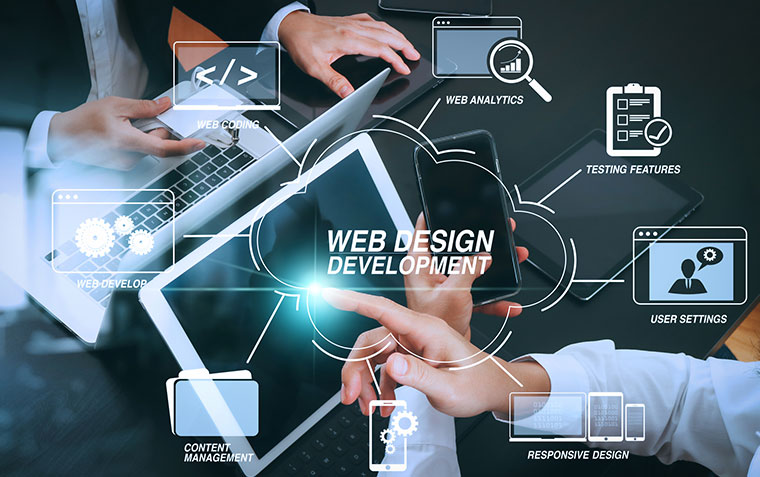
Website development is the technical delivery of that design. It includes front-end implementation (HTML, CSS, JavaScript), back-end systems, database and API work, content management integration, security hardening, and infrastructure setup. Development also extends to allied work such as APP DEVELOPMENT and custom SOFTWARE DEVELOPMENT when businesses require native-like experiences or bespoke integrations. Ongoing WEB MAINTENANCE—security patches, performance tuning, backups, and content updates—is a core part of a site’s lifecycle.
A professionally built website establishes credibility within seconds. Professional design and stable engineering reduce bounce rates and support conversion paths that templated or ad hoc sites often fail to deliver.
Modern search engines reward technically sound, fast, and user-centric sites. Optimised code, correct semantic markup, and Core Web Vitals compliance are not optional in 2025—they materially affect organic visibility and conversions.
Professional teams implement secure authentication, encryption, and privacy controls, plus regulatory safeguards where required. These measures reduce the risk and operational cost of breaches and downtime.
A professional development approach anticipates change—whether integrating an APP DEVELOPMENT project, a CRM, payment gateway, or other SOFTWARE DEVELOPMENT modules—so the site can scale without expensive rework.
Startups
Startups need credibility, speed to market, and lean operations. A professionally developed site:
SMEs
SMEs benefit from reliability and efficiency:
Enterprises
Enterprises require performance, compliance, and flexibility:
The cadence of change in web technology remains rapid. Several developments are particularly material for planning and procurement in 2025.
AI is moving from an experimental add-on to a production capability: content personalization, automated content generation, and data-driven UX optimization are now mainstream tactics to improve engagement and conversions. AI personalization frameworks are delivering measurable uplifts in conversion metrics when applied responsibly.
Decoupling content management from presentation (headless CMS and composable systems) accelerates time-to-market for new experiences—web, mobile, kiosks—and enables parallel workflows for developers and marketers. This architecture supports omnichannel delivery and future proofs content assets.
Page experience remains central to SEO strategy. Metrics that measure real-world loading, interactivity, and visual stability are a key part of search evaluation and must be incorporated into development acceptance criteria.
Cloud platforms—particularly AWS HOSTING—are the default for businesses that need resilience, autoscaling and global distribution. Cloud services simplify deployments, observability, and managed security, and they form the backbone for high-traffic or data-sensitive sites.
PWAs continue to gain traction as a pragmatic alternative to native apps: they combine fast, offline-capable experiences with web agility, reducing cost and time-to-market for mobile-centric audiences. Designing mobile-first remains a baseline expectation.
Legal and ethical pressures are driving accessible design (WCAG compliance) and privacy-first data practices. Sustainable development—optimized assets and efficient hosting—also plays an increasing role in vendor selection and brand positioning.
AdFirm Media & Marketing structures development around transparency, measurable outcomes, and long-term performance.
User-first design and inclusive UX
We prioritise clear navigation, accessible components, and progressive enhancement so the site works across devices and assistive technologies. Accessibility testing and remediation are integrated into the delivery schedule.
Google-aligned technical SEO and performance
Our technical checklist includes semantic HTML, correct heading hierarchy (H1 → H2 → H3), optimized critical rendering path, image optimization, and Core Web Vitals monitoring. These measures ensure sustainable presence in organic search without resorting to short-term gimmicks.
Responsible AI and data governance
Where AI personalization is deployed, we implement consent-based data processing, transparent controls for users, and guardrails to prevent biased or misleading outputs. AI is used to enhance user experience and not to trick or manipulate.
Robust hosting and maintenance
We recommend and manage cloud hosting options—including AWS HOSTING when appropriate—to ensure scalability, security and compliance. Ongoing WEB MAINTENANCE packages include scheduled updates, security scanning, backups, and performance tuning to protect the investment over time.
Clean architecture and maintainable code
Our development practices favour modular, documented, and testable codebases that make future SOFTWARE DEVELOPMENT extensions and APP DEVELOPMENT integrations predictable and cost-effective.
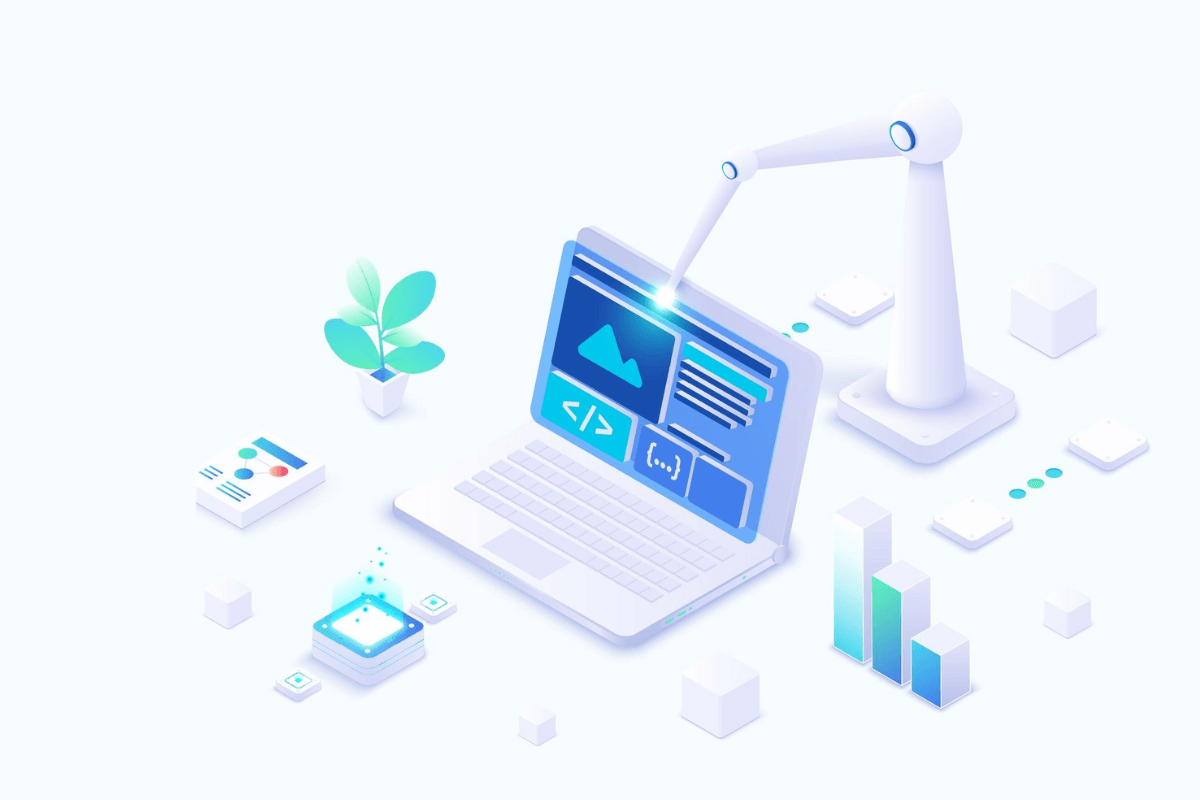
AdFirm Media & Marketing positions itself as a strategic partner rather than a vendor: we align development priorities with measurable KPIs, provide transparent delivery plans, and offer post-launch support that scales with your business. Our emphasis is on ethical implementation, long-term reliability, and the practical application of current trends to meet business goals without unnecessary complexity.
Professional WEBSITE DEVELOPMENT is foundational to modern business strategy—from early-stage startups needing fast validation to enterprises requiring resilient, compliant platforms. By combining user-first design, cloud resilience (including AWS HOSTING options), responsible AI, headless and PWA patterns, and disciplined WEB MAINTENANCE, organizations can build web properties that deliver performance, search visibility, and trusted user experiences.
If you would like a practical review of your current site, a performance audit, or a roadmap for migration and ongoing maintenance, AdFirm Media & Marketing can help deliver ethical, Google-aligned website development and support that scales with your business.
Copyright © 2025 – 2026 AdFirm Media & Marketing-
Noida | Ghaziabad | Faridabad | Gurgaon | UAE